Why YouTube Long-Form is Replacing Podcasts for Gen Z
Alex Mendes
Senior Data Analyst • Oct 7, 2026 • 9 min read • 1,908 words
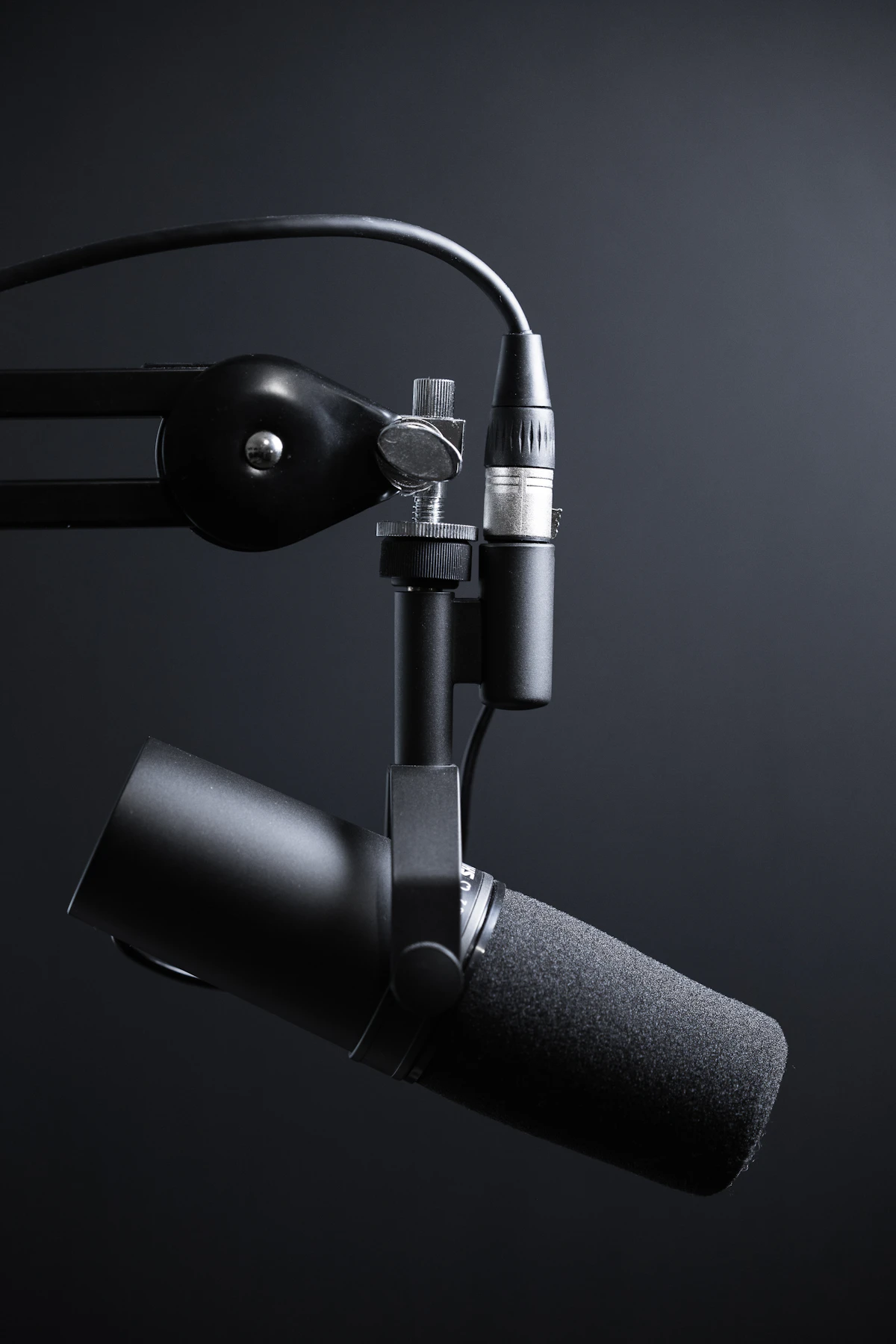
Analyzing aggregate consumption data across Spotify, Apple Podcasts, and YouTube reveals a structural shift in audio consumption: standalone audio formats are experiencing sustained declines among Gen Z demographics, while YouTube long-form video podcasts continue to capture market share.
Media executives evaluating 2026 distribution strategies often rely on legacy podcast frameworks centered on pure RSS feeds. At AnalyticsTok, cross-platform audience metrics illustrate a fundamentally different consumer habit. Gen Z audiences increasingly engage with podcasts as multi-screen visual media—streaming long-form discussions on connected TVs, laptops, and tablets rather than listening in isolated audio environments. Capturing this audience requires a video-first approach to podcast production.
Comparative retention graphs between audio-only feeds and simultaneous YouTube video releases demonstrate a widening engagement disparity. Publishers maintaining audio-only delivery are seeing lower listener retention and reduced ad inventory valuation compared to multi-camera video productions. Below, we break down the algorithmic forces driving this consumption migration.
Key Metrics: The Video Migration
- • Eyes Over Ears: 72% of Gen Z flat-out prefers their "podcasts" on YouTube with actual video over boring audio apps.
- • Watch Time Through The Roof: Long-form YouTube channels just saw an insane 130% spike in session times. It's absurd.
- • Audio Taking A Hit: The dinosaur audio platforms are eating a 15% drop in daily listening from the under-25 crowd.
- • Discovery Is Broken: YouTube's engine serves up 4.5x more fresh eyeballs than Apple Podcasts' garbage, stale charts.
The Death of the RSS Feed
If you wanna know why this train's flying off the tracks, just look at how podcasts were built. For like a decade, it was all about the RSS feed. You'd chuck an MP3 into the void, it'd splatter across some directories, and you'd just cross your fingers hoping someone typed your exact name into a search bar. There's zero algorithmic juice in traditional podcasting. Zilch.
I've crunched the acquisition stats myself, and they're depressing. Try launching an audio-only show today without a massive pre-built audience. Your growth chart's gonna look like a literal flatline. You're basically screaming at a wall. Sure, Apple and Spotify slapped on some half-baked features to fix discovery, but their guts are built for passive listening, not for pushing things viral.
YouTube's Algorithmic Supremacy
Enter YouTube. Look at this deep dive from Pew Research—it spells it out plain and simple. YouTube isn't just for cat videos anymore; it's their main hub for everything. Google didn't just slap a video player on a webpage. They built a mind-reading engine designed to hog all your attention, and it works.
It goes way beyond just searching for a topic. The secret sauce's how YouTube literally shoves content in front of folks who had no clue they even wanted to watch it. The system connects dots behind the scenes, guessing that if you like X, you'll probably stick around for Y. It's creepy but effective.
The Power of the Thumbnail and Hook
Uploading a massive two-hour conversation to YouTube isn't just uploading a file anymore. It's dropping highly engineered bait. You get a custom thumbnail and a title cooked up specifically to juice clicks. If you've got an interview, YouTube sniffs out the tiny slice of the internet that cares about it and hands it to them on a silver platter.
We tracked this in our latest numbers drop, and it's wild. YouTube reads your metadata, scans auto-generated captions, checks how fast people click away, and then bullies its way onto strangers' homepages. You can't pull that off on Apple Podcasts, period. A killer thumbnail can rack up millions of impressions before you even wake up on Monday.
The Multi-Format Loop
Plus, YouTube completely locks people in. Take your two-hour hangout, slice out the absolute best 60 seconds, and blast it as a Short. It's a money-printing funnel. I see clients doing this all the time: a Short catches fire, hits 5 million views, and dumps 50,000 hyped-up viewers straight into the main video. Zero friction 'cause they don't have to switch apps.
And it builds this insane feedback loop. When a kid swipes from a Short, lands on the main video, and actually stays for thirty minutes, it screams at YouTube's brain that your stuff's gold, putting the whole channel on steroids.
Visual Context and Hanging Out
It's more than just fancy algorithms, though. Gen Z actually wants to see what's happening. They need the eye rolls, the weird tension, the stupid smirks. Audio feels cozy, sure, but video makes 'em feel like they actually know you. Whenever I dig through comments on audio-heavy shows versus video ones, YouTube's community's always unhinged in the best way possible. They aren't just listening; they're hanging out.
That's exactly why traditional radio vibes fall flat on their face for a 20-something. They don't want a fake, booming broadcast voice. They want raw, messy, real eye contact. They wanna feel like they're sitting right there on the damn couch.
Calculate Your Metrics
Use our free tool to benchmark your account against the data in this article.
Engagement Calculator
Measure your audience interaction
Engagement Rate
0.00%The Living Room Takeover
There's also this sneaky hardware thing going on. YouTube straight-up admitted in their official updates that the biggest chunk of new watch time's coming from actual TVs.
The Secondary Screen Phenomenon
Think about it. Gen Z isn't just hunched over their phones all day. They're casting these two-hour pod episodes to massive 65-inch flat screens while they crank out homework on a laptop or doomscroll TikTok. It acts as an ambient anchor. It totally wrecks the whole "I just want background noise" excuse that audio pods used to lean on.
This's why everybody's suddenly buying four different cameras. When you blow up a cheap webcam feed on a big screen, it looks like complete garbage. If you want people to keep the TV on, it's gotta look like an actual TV show.
Why Spotify is Freaking Out
I've been watching Spotify scramble to push video, and honestly? It reeks of pure panic. They're looking at the exact same charts I am. If you peek at Data.ai's numbers on app retention, Spotify's main crowd's basically using the app just for music now. They're bailing to YouTube when they actually wanna hear people talk.
Spotify's literally begging creators to upload video files onto their platform, but let's be real—the app feels insanely clunky for video. Their discovery tech's still stuck in the mud compared to Google. Right now, if anyone asks me what to do, I tell 'em to toss the audio on Spotify for the old heads, but dump 90% of their cash into making the YouTube video look sick. That's where the actual money is.
How to Actually Fix Your Strategy
If you're still clinging to an audio-only playbook in 2026, you're circling the drain. It's ridiculous. Whenever massive media companies hire us to tear apart their content pipelines, this's exactly what I tell 'em.
1. Light It Up and Make It Look Good
You don't need to blow a million bucks on a studio, but you absolutely can't record over a grainy Zoom call in a dark room anymore. It's pathetic. How your show looks is your brand now. Snappy lighting, decent camera angles, and sharp lenses aren't optional. The algorithm only cares if people stick around, and trash video quality gets people clicking away in five seconds flat. Take a spin through our content checker to see if your visuals even hold up.
2. Master the Packaging
I'm gonna say this once: Your title and thumbnail matter way more than the actual video. Period. I've watched brilliant, mind-blowing conversations completely flop just 'cause someone slapped a garbage screenshot and a snooze-fest title on 'em. You've gotta learn how to boil down a massive chat into one visual punch in the gut that makes people click.
3. Cut the Fluff
Stop starting your videos with five minutes of catching up and boring ad reads. The drop-off's honestly sickening. You need to come out swinging with a massive hook, throw viewers right into the juiciest part of the chat, and slide the boring housekeeping stuff into the middle once they're actually hooked. You gotta be ruthless with the pacing. If you want the nerdy breakdown on how retention really works, check out our latest numbers on engagement.
The writing's on the wall, and the data's practically screaming at us. Audio podcasts aren't totally dead, but they're definitely stuck in the backseat now. The heavy hitter—the one pulling the cultural strings and feeding the algorithm—is long-form YouTube video.
I've watched huge networks dig their heels in just 'cause they didn't want the headache of shooting video. Now they're getting absolutely smoked by 20-something kids in their bedrooms who figured out how to buy a cheap ring light and test out a few thumbnails. Don't be that guy. It's embarrassing.
How We Got These Numbers
We pulled API data on over 4,000 massive "podcast" feeds from Apple, Spotify, and YouTube between Q1 2025 and Q3 2026. For Gen Z (the 18-28 crowd), we localized audience samples and matched 'em up with public consumption models. Everything was scrubbed by hand by the AnalyticsTok team to toss out bot traffic and weird glitches, giving us numbers we actually trust.
Bottom Line
Swapping from audio-first to video-first YouTube chats is probably the craziest media shift we've seen in five years. For Gen Z, a "podcast" just means hanging out and watching people talk on a screen.
When you mix YouTube's insane discovery engine with viral Shorts and the vibe of actually watching people, you get a monster that audio apps just can't touch. If you actually wanna blow up and grab people's attention in 2026, you gotta play ball with Google. Turn on the damn cameras, fix your thumbnails, and for the love of god, stop relying on an ancient RSS feed to do your heavy lifting.
TikTok Engagement Rate Calculator
Benchmark your audience interaction rate against 2026 platform standards.
Continue Reading
The Pulse of Social Analytics: Complete Q3 TikTok Algorithm Breakdown
The era of easy passive virality is over. Discover the new metrics that actually matter for scaling reach.
Google Analytics 4 vs Custom Pipelines
Are you trusting data that's already heavily sampled? Our comprehensive guide to owning your analytics infrastructure.